info@palmbeachrestorationpros.com +15613420374 West Palm Beach, USA
Palm Beach Restoration Pros Logo
Free Referral Service

Soot Cleanup Specialists in West Palm Beach

Fast, thorough soot damage restoration connecting West Palm Beach homeowners with vetted local pros

Free Referral Service
Vetted Local Pros
Fast Response
24/7 Service
Free Referral Service

Or call directly: +15613420374

Free referral to vetted local pros
Fast response, day or night
No obligation to hire
+15613420374

Why Professional Soot Cleanup Matters

Palm Beach Restoration Pros connects West Palm Beach homeowners with licensed specialists who handle fire damage, smoke odor, and structural drying from a single point of contact.

When soot cleanup is the priority, timing matters — South Florida's humidity can bond carbon residue to walls within hours, so we match you with a local pro fast.

Related Fire And Smoke Damage Restoration Services

Fire Damage Restored, Home Reclaimed

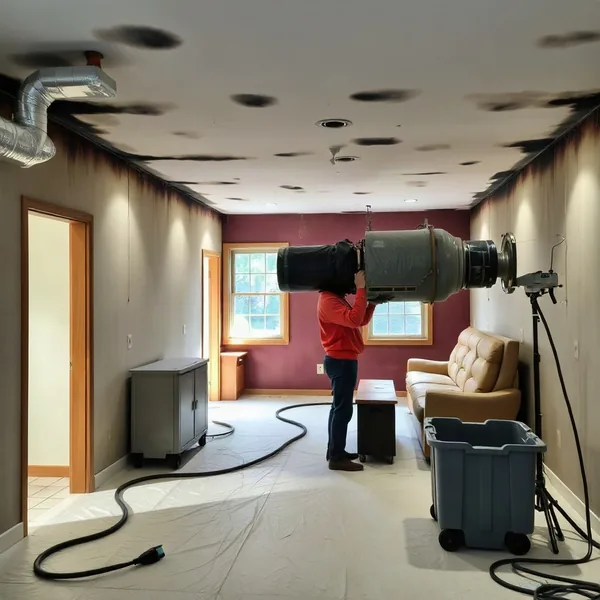
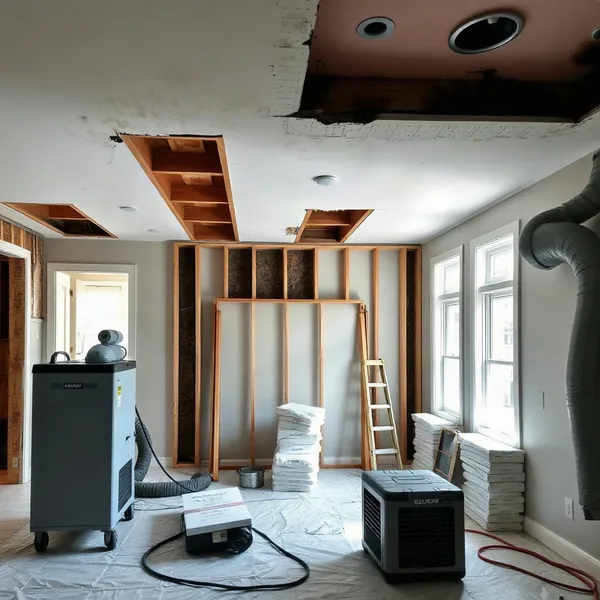
Smoke still lingers, walls are charred, and every hour of delay deepens the structural damage — West Palm Beach homeowners know this panic firsthand. Our IICRC-certified technicians arrive within 2 hours, performing immediate board-up and tarping to secure your property, then begin structural drying to stop secondary moisture damage before it compounds your losses. Most residential fire restorations we complete run between $8,000–$25,000, and we document everything for a smoother insurance claim. Pair this service with our Smoke Damage Restoration and Soot Cleanup for complete recovery.

  • ✓Emergency response dispatched in under 2 hours, guaranteed. Insurance documentation prepared accurately from day one
  • ✓Structural integrity assessed before any rebuild begins
  • ✓Your home returned to pre-loss condition — fully, not partially
Fire Damage Restoration
Fire Damage Restored, Home Reclaimed - Licensed

Smoke Odor Gone for Good

Smoke penetrates walls, HVAC ducts, and furniture within hours of a fire — and that acrid odor won't disappear with an open window. Vetted pros follow the IICRC S700 standard, deploying thermal fogging and ozone treatment to neutralize odor molecules at the molecular level, not just mask them. Most West Palm Beach homes are odor-free within 3–5 days. We pair every job with professional Soot Cleanup and full Fire Damage Restoration so nothing is overlooked.

  • ✓Thermal fogging reaches hidden cavities no surface spray can touch
  • ✓Ozone treatment eliminates 99% of airborne smoke particles
  • ✓Structural assessments included — no surprise add-on fees
  • ✓Direct insurance billing accepted on every West Palm Beach job
Smoke Damage Restoration
Smoke Odor Gone for Good - Licensed
01

What Is Soot Cleanup?

carbon residueash particles

Soot cleanup is a structured remediation process that removes carbon residue, ash particles, and combustion byproducts from surfaces, air systems, and structural materials after a fire or chronic smoke exposure.

It is not simple wiping — soot is an oily, ultrafine particulate that requires a specific dry-then-wet sequence to extract without spreading. Soot damage affects walls, ceilings, HVAC systems, and soft furnishings simultaneously, and any missed area can continue off-gassing harmful compounds for weeks. A proper cleanup restores indoor air quality and prevents long-term staining, corrosion, and odor from embedding permanently into a home's materials.

02

Fire Soot Cleanup vs General Soot Removal

fire-related sootprotein residue

Fire soot clean up is significantly more complex than removing everyday household soot from candles or a furnace.

General soot deposits are typically dry and powdery, accumulating slowly and limited to a small area. Fire-related soot, by contrast, is produced in large volumes across minutes, penetrating wall cavities, ductwork, and structural voids. It also contains protein residue from burned materials — food, fabric, synthetics — which creates a nearly invisible but intensely odorous film on surfaces that standard cleaning agents cannot dissolve. Fire soot damage remediation requires professional-grade chemicals, containment, and odor neutralization that household products simply cannot replicate. Attempting fire soot clean up without the right equipment typically spreads contamination rather than removing it.

03

Professional Soot Cleaners vs DIY

dry chemical spongeTSP cleaner

Professional soot cleaners achieve results that DIY attempts consistently fail to match because they start with the right tool: a dry chemical sponge, a vulcanized rubber block that lifts soot through physical adhesion rather than smearing it into the substrate. Most homeowners reach for a wet cloth first, which activates the oily residue and drives it deeper into porous surfaces. After dry extraction, pros apply a TSP cleaner — Trisodium Phosphate diluted in warm water — in controlled overlapping strokes that lift oil-based residue without saturating the wall. TSP also deodorizes as it cleans, which a standard soot remover cleaner from a hardware store rarely does. Using soot cleaners in the correct sequence shortens the total project time and avoids the surface damage that re-painting cannot fully hide.

04

How to Clean Soot Off Walls

drywallpainted surfacessoot sponge

Cleaning soot off walls correctly starts with identifying the surface — drywall, painted surfaces, plaster, or masonry each respond differently to chemical cleaners.

On standard painted drywall, the professional approach uses a soot sponge in dry mode first, blotting rather than wiping to avoid smearing the carbon into the paper face of the drywall. Once loose soot is lifted, a diluted alkaline solution is applied with a fresh sponge in horizontal passes. A soot cleaner for walls on oil-painted surfaces can be slightly more aggressive, but flat or matte paints may require patch-and-repaint after cleaning because their porous finish absorbs soot deeply. Never scrub — a single firm stroke per pass prevents streaking and redepositing the residue you just removed.

05

Is Soot Hard to Clean Yourself?

protective respiratorwet vs dry cleaning

Soot is genuinely difficult to clean without training, and the most common mistake — using a wet cloth before dry extraction — makes the problem worse in under 30 seconds.

Beyond technique, personal safety is a real concern. Soot particles are ultrafine and penetrate deep into lung tissue; at minimum, a protective respirator rated N95 is required, and a P100 half-face respirator is strongly recommended for any fire-affected space. The wet vs dry cleaning distinction is not preference — it is the difference between a cleanable surface and a permanently stained one. In pre-1980 homes common across West Palm Beach, soot may also disturb older insulation or plaster containing materials that require licensed abatement, raising the safety stakes further.

06

Soot Cleanup Near You in West Palm Beach

Palm Beach Countycoastal humidity

Palm Beach Restoration Pros connects homeowners throughout West Palm Beach and surrounding Palm Beach County communities with vetted soot and fire damage specialists.

Coastal humidity in South Florida — relative humidity regularly exceeding 75 percent — causes soot particles to absorb moisture within hours of a fire being extinguished, bonding them more aggressively to wall surfaces and soft furnishings than in drier inland climates. That compresses the effective cleanup window to roughly 24 to 48 hours. Local pros familiar with West Palm Beach's older housing stock and its non-moisture-resistant materials understand how coastal humidity accelerates soot bonding, and they prioritize rapid containment and dry extraction before the residue sets permanently.

07

How Much Does Soot Cleaning Cost?

surface area estimatesoot type

Soot cleaning pricing depends on three primary variables: total surface area affected, soot type, and how deeply residue has penetrated the substrate.

A surface area estimate of a single room with light dry soot might run $200 to $500; a whole-house fire event requiring structural cleaning, HVAC treatment, and odor neutralization can reach $2,000 to $10,000 or beyond. Wet oily soot — the kind produced by kitchen fires or melting synthetics — costs more to remediate than dry smoke residue because it demands stronger chemistry and more labor hours per square foot. If restoration work touches structural, electrical, or plumbing components, permits through the City of West Palm Beach Building Division add to the timeline and project cost. An on-site assessment is the only way to produce a reliable number.

08

What Cleans Soot Best?

HVAC filtersduct cleaningfurnace soot

The most effective approach combines a dry chemical sponge for initial extraction, an alkaline wet cleaner for residual residue, and mechanical air cleaning to capture airborne particles.

For HVAC systems, soot infiltrates ductwork and settles on HVAC filters within minutes of a fire — running a contaminated system spreads carbon residue through every room. Duct cleaning with HEPA-filtered vacuums and antimicrobial treatment is a required step, not optional. Furnace soot presents a separate issue: accumulated soot inside a furnace heat exchanger reduces efficiency and poses a carbon monoxide risk, so annual professional inspection is warranted. For walls and ceilings, a TSP solution remains the professional standard after initial dry extraction removes the bulk of loose particulate.
Areas We Serve in West Palm Beach

We connect homeowners in these ZIP codes with licensed local water damage restorations.

West Palm Beach (33401, 33402, 33403, 33404, 33405, 33406, 33407, 33409, 33411, 33412, 33413, 33415, 33417, 33422)

Call to be connected with a licensed local pro in these ZIP codes.

How Soot Cleanup Works

Simple steps to get your soot cleanup done in West Palm Beach

1

Book Your Soot Cleanup

Call 24/7 for any soot cleanup need in West Palm Beach. We respond within minutes.

2

Free Soot Cleanup Survey

A certified specialist surveys your soot cleanup requirement at no charge before quoting.

3

Upfront Fixed Price

One fixed price for your soot cleanup — no hidden charges, ever.

4

Soot Cleanup Guaranteed

We complete your soot cleanup right the first time, backed by our full warranty.

Why Choose Us for Soot Cleanup?

Trusted water damage restoration professionals serving West Palm Beach

2-Step Method

Correct Process

Our vetted pros always follow the dry-then-wet sequence — dry chemical sponge extraction first, wet alkaline cleaning second. Skipping that order is the single most common DIY mistake, and it turns a cleanable surface into one that needs full replacement within 30 minutes.
P100 PPE Standard

Health & Safety

Fire soot contains carcinogens and, in pre-1980 West Palm Beach homes, may disturb legacy insulation materials. Every specialist we refer uses P100 respiratory protection and HEPA containment, reducing cross-contamination risk across all rooms beyond the fire origin point.
Free On-Site Quote

Transparent Pricing

Pricing depends on affected surface area, soot type, and penetration depth. Pros we connect you with provide an on-site surface area estimate before any work begins — no flat-rate guesses over the phone that balloon after the job starts.
30-Min Assessment

Fire vs General Soot

Not every soot situation is equal. Specialists we refer distinguish fire-related soot — which penetrates wall cavities and carries protein residue — from routine furnace or candle soot, and adjust both chemistry and labor allocation accordingly within the first 30 minutes of assessment.
24-Hr Response Goal

Local Humidity Expertise

West Palm Beach's coastal humidity above 75% bonds soot to surfaces in as little as 24 hours. Local pros we refer know this window and prioritize rapid dry extraction on arrival, reducing the likelihood of surfaces requiring full replacement rather than cleaning.
90-Day Filter Cycle

Recurrence Prevention

Beyond cleanup, referred specialists inspect HVAC filters, duct pathways, and furnace components that cause recurring soot buildup. Replacing clogged filters every 60 to 90 days and scheduling annual furnace inspection prevents the gradual carbon residue accumulation that most homeowners never notice until walls are visibly stained.

Frequently Asked Questions

Is soot hard to clean?

▼

Yes, soot is notoriously difficult to clean because it is an oily, fine particulate that smears easily if handled incorrectly. Dry wiping with a standard cloth pushes soot deeper into porous surfaces like drywall, fabric, and grout rather than removing it. The correct first step is always dry chemical sponge blotting, which lifts loose soot without spreading it. Only after dry extraction should any wet cleaning method be applied. Skipping straight to wet cleaning activates the oily residue, permanently bonding soot to the surface and creating dark, set stains that are extremely difficult to reverse. For ceilings, wall cavities, and HVAC ducts — including furnace soot cleanup scenarios — professional equipment and technique make a significant difference in the final result.

Is cleaning soot dangerous?

▼

Yes, cleaning soot carries real health risks and should not be approached casually. Soot particles are ultrafine and can penetrate deep into lung tissue when inhaled, carrying carcinogenic compounds produced during combustion. Exposure without proper respiratory protection — at minimum an N95 respirator, and ideally a half-face respirator with P100 filters — can cause immediate irritation and longer-term respiratory harm. Skin contact with soot residue can also cause chemical burns over prolonged exposure. After a fire, soot may also contain heavy metals and, in pre-1980 homes common across West Palm Beach, other hazardous legacy materials. Professional smoke damage cleanup crews use full PPE, negative air pressure containment, and HEPA vacuuming to prevent cross-contamination. For fire and water damage restoration projects of any meaningful scale, professional handling is the safer choice.

What cleans soot off walls?

▼

The correct cleaning method depends on the surface type and soot density. On painted drywall, the standard professional approach starts with a dry chemical sponge — a vulcanized rubber sponge that lifts soot without smearing. Once loose soot is removed, a TSP cleaner solution diluted in warm water is applied with a sponge in single, overlapping strokes to avoid streaking. TSP is effective on oil-based soot residue but must be rinsed thoroughly to prevent surface damage. On unfinished wood, masonry, or brick, dry brushing followed by a stronger alkaline cleaner is typically used. Porous surfaces like unsealed drywall or acoustic tile often cannot be cleaned effectively and require replacement. For soot cleaning walls in older West Palm Beach homes built before 1980 — which frequently feature plaster and non-standard substrates — material compatibility testing before applying any chemical solution is strongly recommended.

How much does soot cleaning cost?

▼

Soot cleaning costs vary based on the total affected surface area, the type of soot involved — wet oily soot from a kitchen fire costs more to remediate than dry smoke residue — and how deeply the soot has penetrated surfaces. Professional soot removal in the West Palm Beach area typically starts around $200 to $500 for a small single-room job with limited surface involvement. A whole-house soot and smoke damage cleanup following a significant fire can range from $2,000 to $10,000 or more, particularly when structural drywall, insulation, HVAC duct cleaning, and odor neutralization are required. Permit costs through the City of West Palm Beach Building Division may apply if structural or mechanical components are involved in the restoration scope. The only way to get an accurate number is an on-site assessment by a licensed local professional who can evaluate surface types, soot category, and the extent of penetration.

How do I find soot cleanup near me in West Palm Beach?

▼

This page connects readers directly with an independent local professional serving the West Palm Beach area who specializes in soot removal and broader fire and water damage restoration work. When evaluating any soot cleanup contractor in West Palm Beach, confirm they hold a current Florida contractor's license, carry liability insurance, and are familiar with permit requirements enforced by the City of West Palm Beach Building Division — permits are required whenever restoration work touches structural components, electrical systems, or plumbing under the Florida Building Code. A pre-vetted local contractor already familiar with these requirements will incorporate permit timelines into the project schedule rather than treating them as an afterthought, which protects homeowners from code violations and insurance complications.

Have more questions? Call us anytime!