01
What Happens During a Mold Inspection?
moisture meterair samplingsurface swab
A mold inspection is a systematic assessment that locates, measures, and documents fungal growth or the conditions that support it.
The process begins with a full visual walkthrough, then moves to instrument-based mold detection. The inspector runs a moisture meter across walls, ceilings, and flooring — any reading above 16 percent moisture content in wood-based materials signals a risk zone worth sampling. Air sampling cartridges are placed in suspected rooms and outdoors to establish a baseline comparison; the difference reveals whether indoor spore levels are elevated. Surface swab samples target visible discoloration or staining for mold testing and lab confirmation. Combining all three methods gives the most accurate picture of contamination during a mold inspection and testing engagement.
02
How Much Does Mold Inspection Cost in West Palm Beach?
square footagelab analysis fee
Mold inspection cost in West Palm Beach typically runs $300 to $600 for a standard single-family home assessment.
Square footage is the biggest pricing driver — a 1,200-square-foot bungalow takes far less time to inspect than a 3,500-square-foot two-story, and pricing scales accordingly. Lab analysis fee adds $100 to $300 per sample, and most thorough inspections involve at least two air samples plus one or two swabs. Older homes — a large share of West Palm Beach's housing stock predates 1980 — often have more complex layouts with plaster walls and dated insulation that require additional sampling points, pushing the mold testing cost toward the upper end of that range. Always confirm whether the quoted price includes lab fees or lists them separately.
03
Mold Inspection Near You in West Palm Beach
Palm Beach Countycoastal humidity
Our network covers all of West Palm Beach as well as Palm Beach County communities from Lake Worth Beach to Palm Beach Gardens.
If you've searched 'mold inspection near me' or 'mold detection companies near me' after a South Florida storm, the inspectors we refer are already familiar with the specific challenges this region creates. West Palm Beach sits largely within 10 to 20 feet of sea level, and portions of the city fall inside FEMA-designated Special Flood Hazard Areas — groundwater intrusion here is a seasonal reality, not a rare event. Coastal humidity that stays above 70 percent for months compresses the safe response window sharply, which is exactly why professional mold testing near me searches spike after every major rain event. Same-week scheduling is typically available.
04
Home and House Mold Testing Explained
HVAC inspectionattic accesscrawl space
A home mold inspection covers every area where moisture collects, not just the rooms you can see.
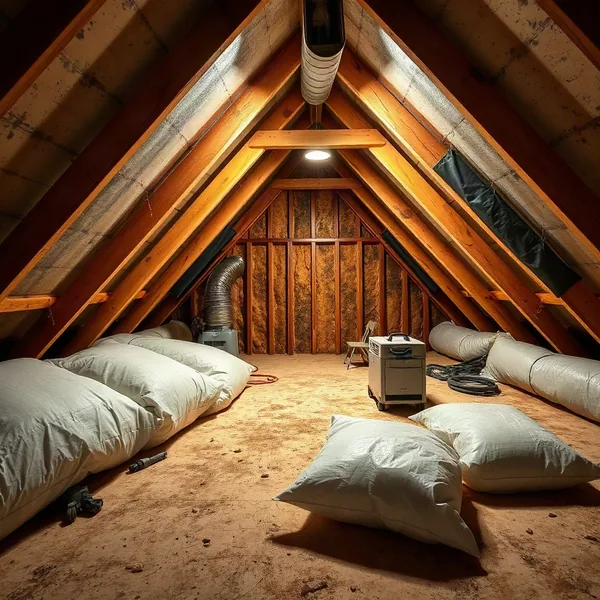
Testing for mold in a house starts at the most predictable risk points: bathrooms, under kitchen sinks, and around water heaters. The inspector then requests attic access to check roof deck condensation and insulation saturation — attic mold is common in South Florida's heat-moisture cycle. A crawl space inspection follows if applicable, since ground-contact moisture frequently wicks upward through older subfloor materials. HVAC inspection rounds out a thorough house mold inspection; duct systems can distribute spores throughout a home if colonization has reached the air handler. Home mold testing that skips any of these zones risks missing the source, leading to repeated problems after surface cleaning.
05
Choosing a Mold Testing or Detection Company
certified inspectorlab accreditationspore count report
The right mold detection company separates assessment from remediation — Florida law actually prohibits the same firm from doing both on the same property, so verify that distinction before hiring.
For professional mold testing, confirm the inspector holds a Florida Mold Assessor License issued by the Department of Business and Professional Regulation. Lab accreditation matters equally: samples should go to an AIHA-accredited laboratory, whose spore count report carries weight with insurance adjusters and real estate attorneys. A credentialed certified inspector will also explain which mold species the lab identified and what the mold spore count means relative to outdoor baseline levels. Mold assessment performed by someone without verifiable credentials and a documented lab partnership is not defensible documentation if a dispute arises later.
06
Mold Inspection vs. Mold Removal: What's the Difference?
remediation referralinspection report
Mold inspection and removal are legally and operationally separate services in Florida, and conflating them creates real problems for homeowners.
The inspection side produces a written inspection report identifying the location, species, and extent of contamination — that document is what triggers remediation planning. Removal, by contrast, is the physical process of containing and extracting mold material from affected surfaces and structures. The inspection report must exist before a remediation contractor begins work; without it, the scope of removal is guesswork. After remediation is complete, a second clearance inspection confirms the job is finished. If you need mold inspection and removal coordinated, our referral process provides a remediation referral to a separately licensed contractor once the assessment report is in hand, keeping the two roles appropriately independent.