01
Why West Palm Beach Properties Face Higher Flood Risk
Much of West Palm Beach sits between 10 and 20 feet above sea level, and significant portions of the city fall within FEMA-designated Special Flood Hazard Areas mapped on Palm Beach County's Flood Insurance Rate Maps.
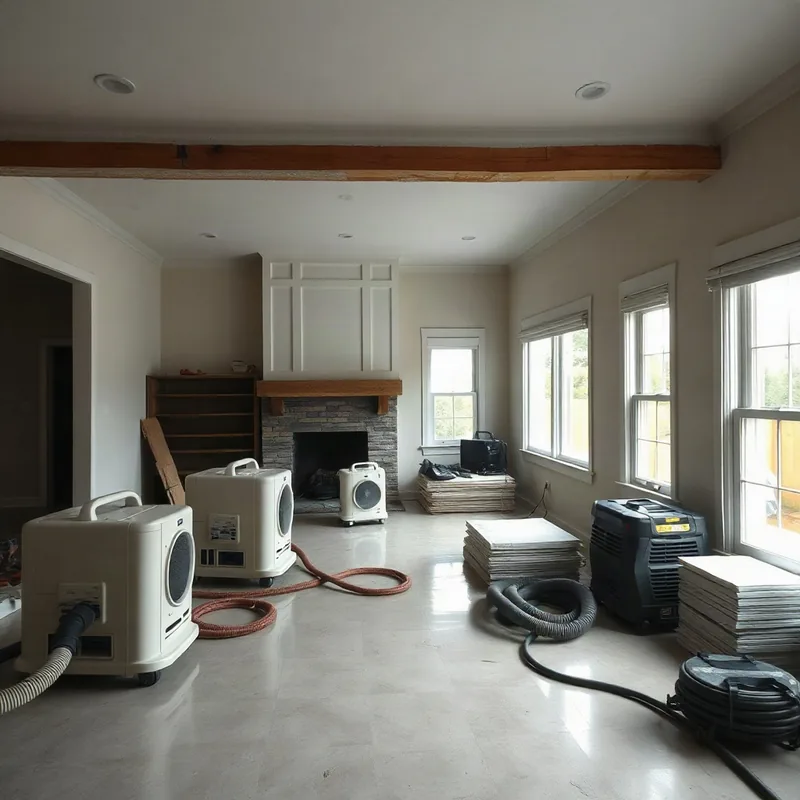
That low elevation means stormwater and groundwater can push into structures during ordinary summer rain events — not just named hurricanes. Drainage systems in densely developed neighborhoods get overwhelmed quickly, and homes in affected zones may need professional water mitigation multiple times over a property's lifetime. Restoration in these situations goes beyond mopping floors: crews typically address sub-slab moisture, crawl space extraction, and waterproofing assessment alongside standard structural drying.
02
How South Florida's Humidity Affects Your Remediation Window
Mold begins colonizing wet materials within 24 to 48 hours of a water intrusion event anywhere.
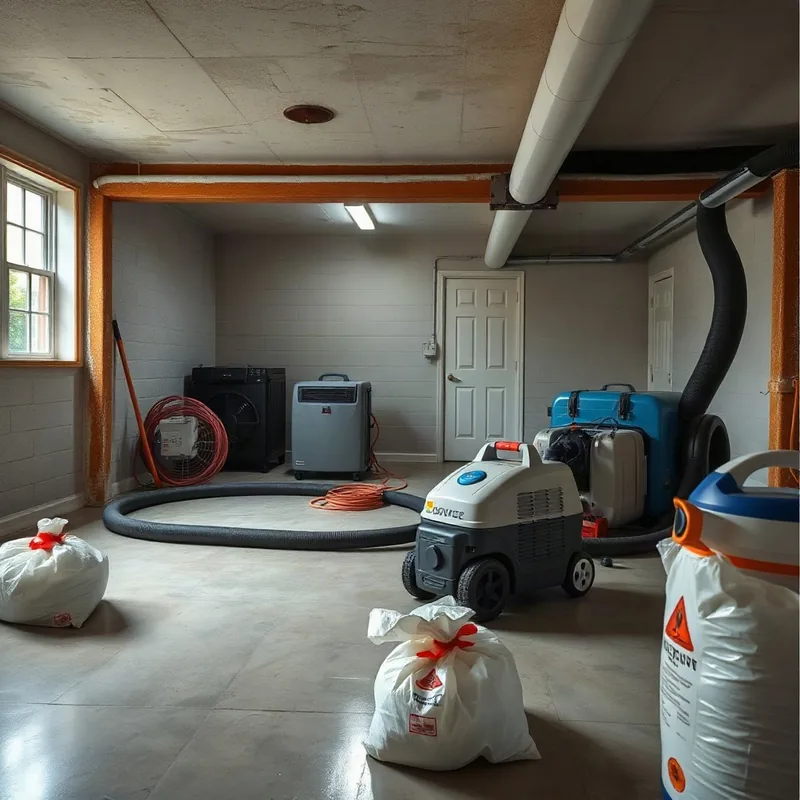
In West Palm Beach, sustained outdoor humidity regularly pushes indoor relative humidity well past 60% without active drying equipment running — which compresses that window significantly compared to drier climates. Wall cavities, subfloor assemblies, and insulation can reach mold-growth conditions faster than most homeowners expect. This is why water damage cleanup here isn't something to schedule for next week. Professional crews target wood framing moisture content below 16%, using readings to verify drying progress rather than guessing by feel. Starting extraction within the first few hours is the clearest way to avoid a separate, costlier mold remediation phase later.
03
Pre-1980 Homes and the Hidden Cost of Water Damage
A large share of West Palm Beach's residential housing stock was built before 1980, according to U.S.
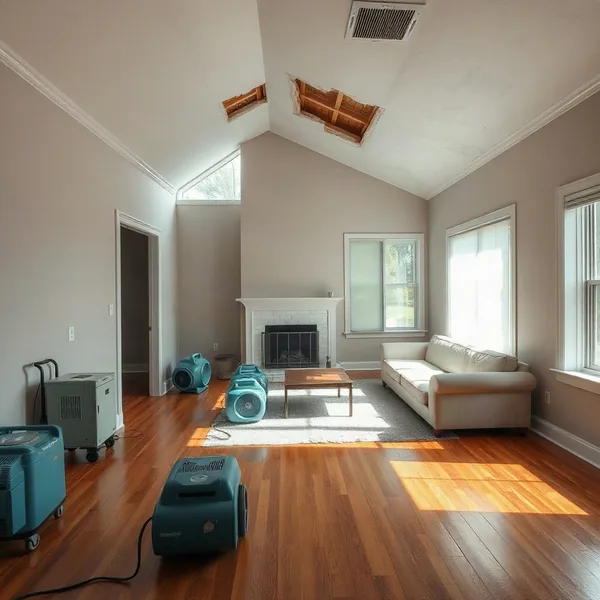
Census Bureau data, predating moisture-resistant building standards by decades. Restoration crews working in these homes routinely encounter older plaster walls, non-moisture-resistant insulation batts, and wood framing that absorbs water deeply and dries slowly. Legacy materials also take longer to assess accurately — thermal imaging that works reliably on modern drywall can require more interpretation against plaster and lath. All of this extends drying timelines and increases labor costs compared to newer construction. Contractors who understand older South Florida building methods aren't just preferred here; for pre-1980 properties, they're genuinely necessary for thorough, code-compliant remediation.
04
Permits, the Florida Building Code, and Your Restoration Timeline
Any restoration work that touches structural components, electrical systems, or plumbing in West Palm Beach must be permitted through the City of West Palm Beach Building Division, which enforces the Florida Building Code.
Permit processing typically adds 5 to 15 business days to a project's timeline depending on scope and current application volume. That's not a bureaucratic inconvenience — unpermitted structural repairs can void insurance claims and create serious complications at resale. When comparing water damage restoration companies, confirm that each contractor is licensed to pull permits in West Palm Beach. Our referral network only includes firms with active licenses and a documented record of closing permits properly, which is a concrete protection for homeowners, not just a checkbox.
05
Supply-Line Failures and West Palm Beach's Mineral-Rich Water
West Palm Beach's municipal water supply comes from the Surficial Aquifer, and the City of West Palm Beach Water Utilities Department's annual quality reports consistently show elevated mineral content tied to the region's limestone geology.
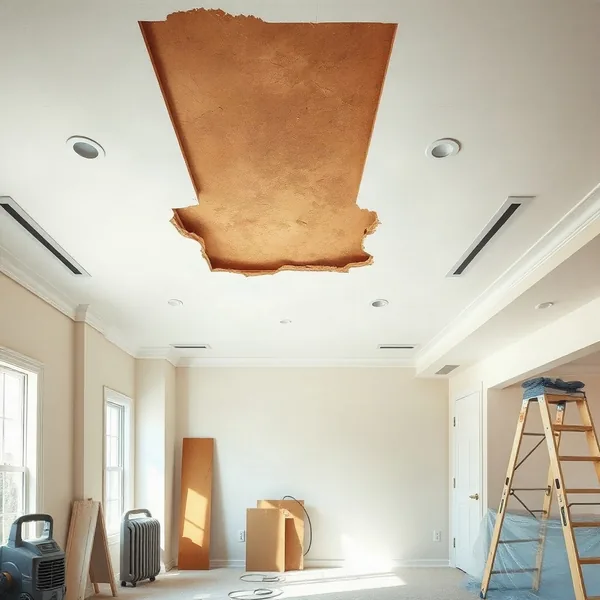
Hard water accelerates scale buildup inside washing machine hoses, water heater supply lines, refrigerator ice-maker connections, and braided fittings throughout a home. Over time, that buildup weakens seals and fittings until a slow drip becomes a full failure — and supply-line failures are among the most common triggers for interior water damage restoration calls. Homeowners should inspect braided supply lines every three to five years. When a line does fail, contacting an emergency water removal service quickly matters: even a moderate leak can saturate subfloor materials within a few hours.